
Why collect?
Or, how a single piece of art changes the way you see everything else.
Most people who own art didn't set out to be collectors. They saw something — at a show, in a friend's home, walking past a gallery window — and they couldn't stop thinking about it. They came back. They asked the price. They went home, slept on it, and the next morning the piece was still there in their head. So they bought it.
That's it. That's the whole thing. Collecting is not a strategy. It is not an investment thesis. It is what happens when you start paying serious attention to art.
What changes after the first piece is harder to describe. The next time you walk into a gallery you see differently. The next show you read about, you go. You start to remember artists' names. You begin to notice the seams between movements, periods, mediums, regions. You develop opinions. You disagree with critics. You buy a second piece, then a third. Your home starts to look like nobody else's. You become a person who lives with art.
This page is for the people on the edge of that — curious, intrigued, not entirely sure where to begin. Below is editorial we've written and commissioned on why collectors collect, how they started, how they see, and what they wish they'd known earlier. None of it is a sales pitch. It is, simply, the conversation we wish someone had handed us when we started.
Conversations with the people quietly shaping MENA contemporary art, one piece at a time.
Meet the region's collectors
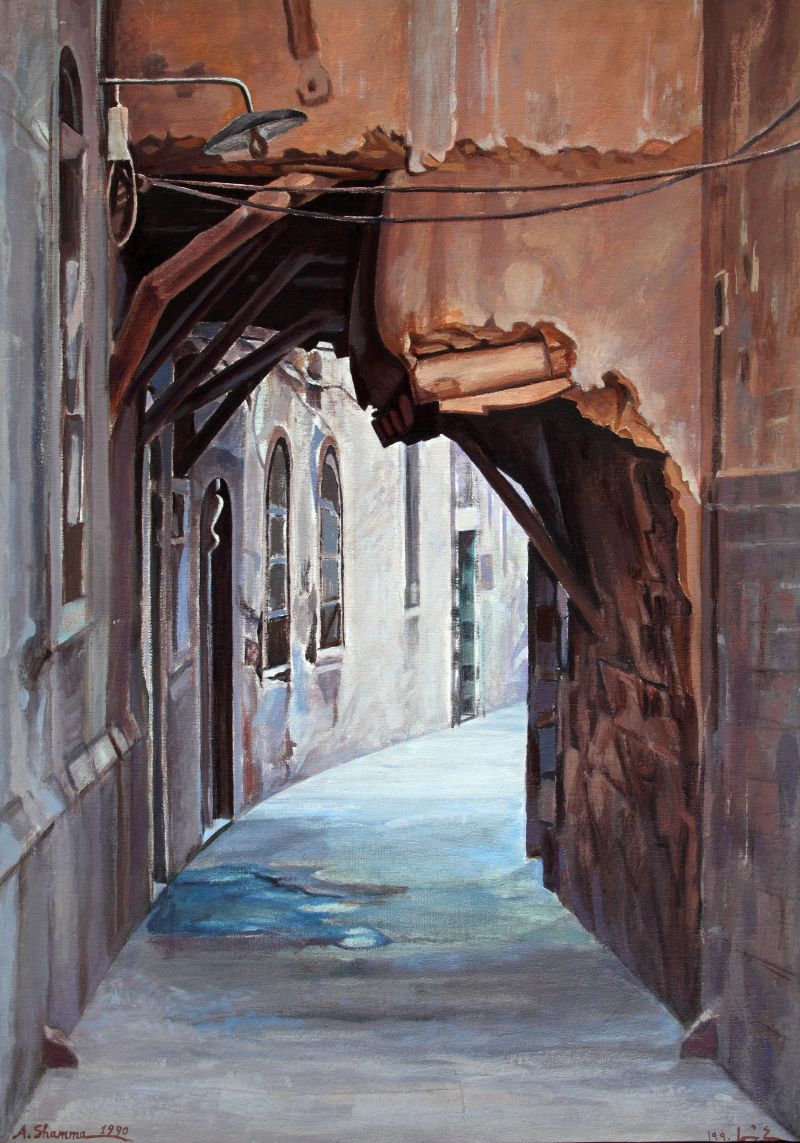
Why Middle Eastern Art Deserves a Place in Your Collection
Modern and contemporary art from the Middle East is among the most compelling — and still most overlooked — in the world. Here's why now is the moment to start collecting.
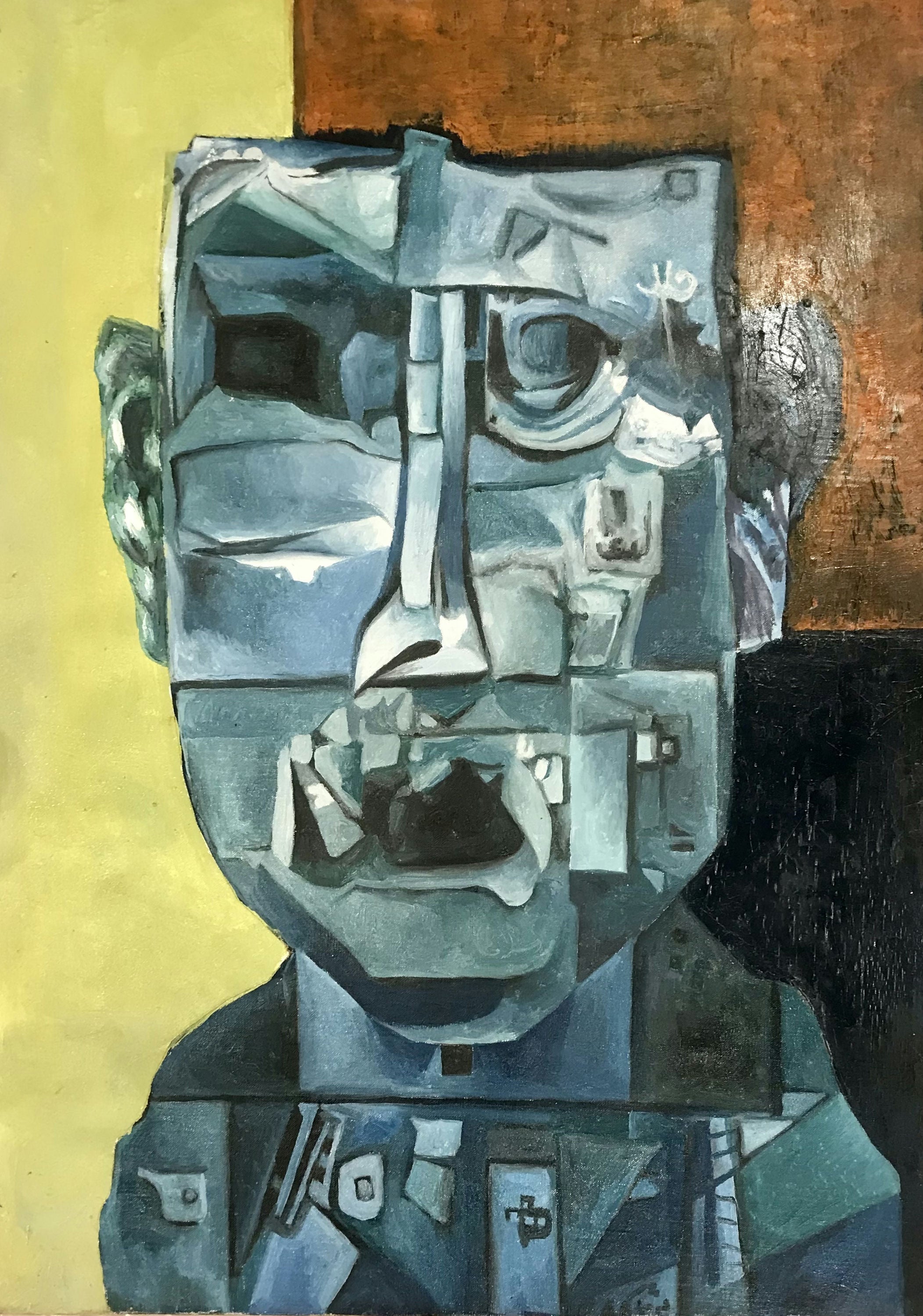
A Short History of Modern Arab Art: From Cairo to Baghdad
The movements that shaped modern Arab art — from Cairo's surrealists to Baghdad's pioneers — and why they still matter to collectors today.
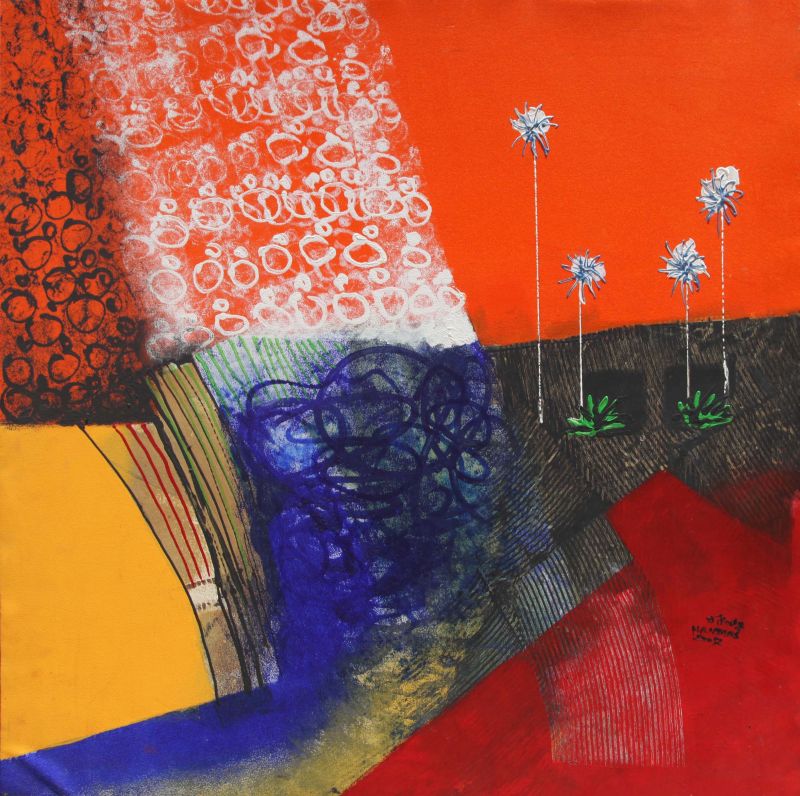
Buying Art Online with Confidence: The Artsamy Approach
Collecting art online can feel daunting. Here's how Artsamy makes discovering and acquiring Middle Eastern art simple, transparent and trustworthy.
When you're ready.
When the piece appears that you can't stop thinking about, you don't need a five-step process. You need a conversation with the gallery or with us, and a few honest questions answered honestly. That is the whole of what acquiring a piece on Artsamy looks like.
Every artwork page offers three actions — Add to Inquiry List, Request this Piece, and Save (heart) — depending on how the piece is listed. Any of them opens a real conversation with a real person on our team. Usually within six hours. No checkout to navigate, no cart to abandon, no algorithm to second-guess.
Until then: read, look, walk into a gallery, return to a piece you haven't stopped thinking about. The path begins there.
Welcome to collecting.